Honouring a Young Torchbearer of India’s Vedic Heritage | Culture & Wisdom
A tribute to a young scholar preserving India’s Vedic heritage through devotion, learning, and tradition. Discover the story of cultural legacy in action.
INSIGHTS
Gaurav Upadhyay
12/4/20253 min read
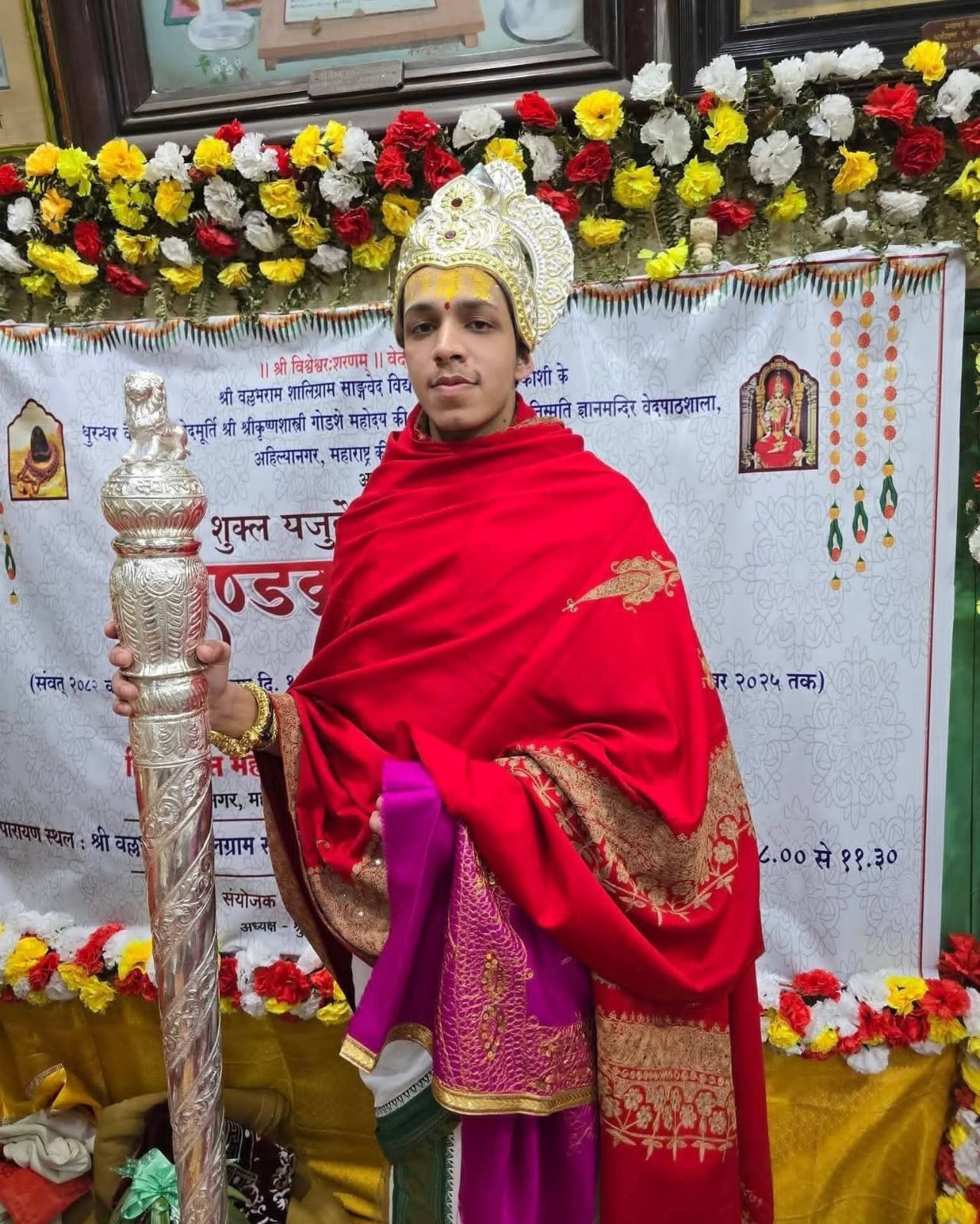
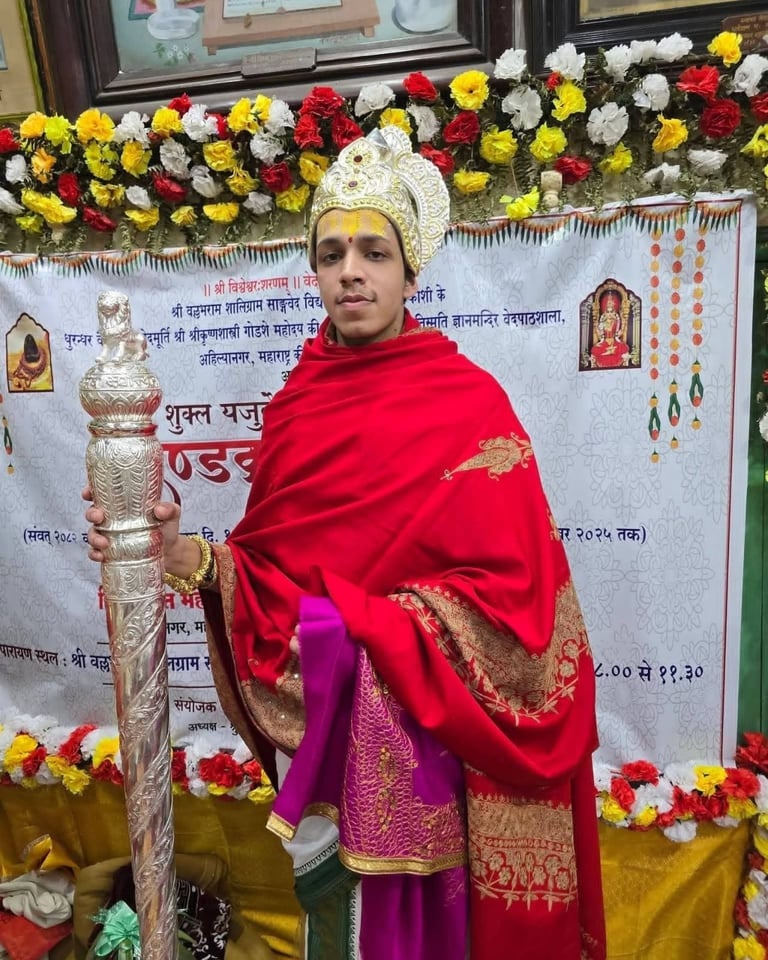
The recent accomplishment of nineteen-year-old Vedamurti Devavrat Mahesh Rekhe from Ahilyanagar (Maharashtra) stands out as one of the most exceptional milestones in contemporary Vedic scholarship. His successful completion of the Dandakrama Parayanam of the Shukla Yajurveda marks a rare achievement that only a handful of practitioners have accomplished in recorded history. The Dandakrama, known for its complex svara patterns and highly intricate phonetic structure, demands extensive training, unwavering concentration and a level of discipline that few can sustain. Over nearly fifty uninterrupted days, Devavrat recited close to two thousand mantras with flawless accuracy, relying entirely on memory without consulting a single manuscript. This intense period of spiritual and intellectual effort reflects both his personal commitment and the strength of the centuries-old Guru-Parampara that nurtured him.
In Varanasi, at the Kashi Tamil Sangamam, Devavrat was formally felicitated for this accomplishment, which has been described by scholars as only the second of its kind in India’s known history. Reports from the event underline the extraordinary nature of his preparation. Devavrat shared that the traditional study of the Vedas typically spans twelve years, with an additional five years required for specialised learning. Yet, through extraordinary discipline and the guidance of his gurus (especially his father's) he managed to master the Dandakrama recitation within just one and a half years. His daily routine often involved fifteen to eighteen hours of study, followed by recitation sessions stretching from early morning to long hours into the afternoon. The scripture he worked with, an estimated two centuries old, posed further challenges due to its complexity and rarity. Completing such a parayanam in the shortest recorded span is therefore an achievement that commands both respect and admiration.
Scholars in Kashi have announced that Devavrat will be honoured with the Dandakrama Vikramaditya symbol, a recognition traditionally reserved for only the highest accomplishments in this demanding art. Institutions such as Sringeri Math have described Dandakrama as the crown of Vedic recitation, citing its rigorous demands on svara precision and phonetic permutations. Devavrat’s success in meeting these standards without a single interruption for fifty days highlights not only his technical mastery but also his mental clarity, spiritual discipline and resilience. His achievement has also deeply moved his family. His father, Vedabrahmasri Mahesh Chandrakant Rekhe, himself a respected Vedic scholar, witnessed this accomplishment with pride, describing it as a moment that reflects both personal joy and the continuing vitality of India’s sacred traditions.
This feat carries meaning beyond individual excellence. It shows how the continued practice of Vedic learning can serve as a bridge between ancient knowledge systems and a modern generation seeking deeper cultural and spiritual grounding. By carrying forward the Shukla Yajurveda’s Madhyandina Shakha in its most demanding form, Devavrat represents a living link in a chain that stretches back thousands of years. His recitation of more than two thousand mantras over fifty days, amounting to more than 165 hours of precise articulation, affirms that the discipline and memory associated with Vedic study remain as relevant and inspiring today as they were in the past. His journey demonstrates the power of focused training, the value of a strong Guru-Shishya bond, and the quiet strength that emerges from sustained spiritual practice.
Devavrat’s success has been widely celebrated within the Vedic community, and messages of appreciation have recognised the wider cultural significance of his accomplishment. Leaders including Prime Minister Modi and various scholars have noted that completing the Dandakrama Parayanam with such purity and steadiness is a reminder of the enduring vitality of India’s spiritual traditions. That this event took place in the sacred city of Kashi adds a symbolic depth, reinforcing the city’s historic role as a centre of learning and as a guardian of India’s philosophical heritage. Several organisations and spiritual institutions have also expressed their appreciation for the collective effort of Devavrat’s teachers, mentors and family, whose guidance shaped his path and made this demanding achievement possible.
For many who follow India’s cultural life, Devavrat’s accomplishment serves as a moment of reflection. It shows how disciplined study, sincere devotion and a commitment to preserving ancient wisdom can create new possibilities even in the modern era. It also offers an example for young learners who seek meaning, identity and purpose in traditional forms of knowledge. Devavrat’s journey stands as a reminder that Vedic learning is not only a matter of ritual or recitation but a path shaped by patience, humility and inner strength.
As India continues to strengthen its cultural foundations, achievements like this help illuminate the enduring power of its oldest knowledge systems. Devavrat Mahesh Rekhe’s disciplined pursuit of the Dandakrama Parayanam is likely to inspire future generations of students and scholars. It reaffirms faith in the value of the Guru-Parampara and highlights the deep reservoirs of dedication that still thrive in many corners of the country. His accomplishment is not simply a personal milestone rather it is a tribute to India’s Vedic heritage and a reassurance that its traditions will continue to flourish through young, committed practitioners who uphold them with sincerity and skill.